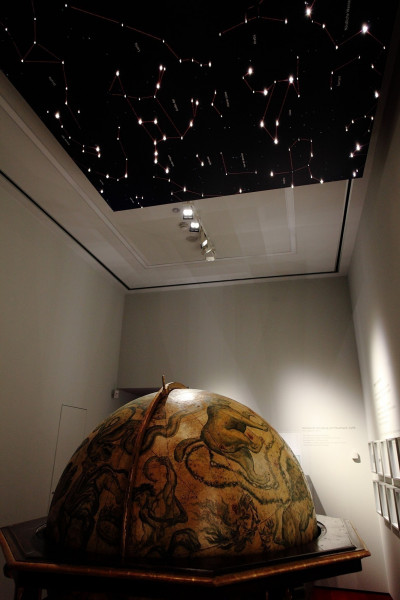

Description

Exhibition
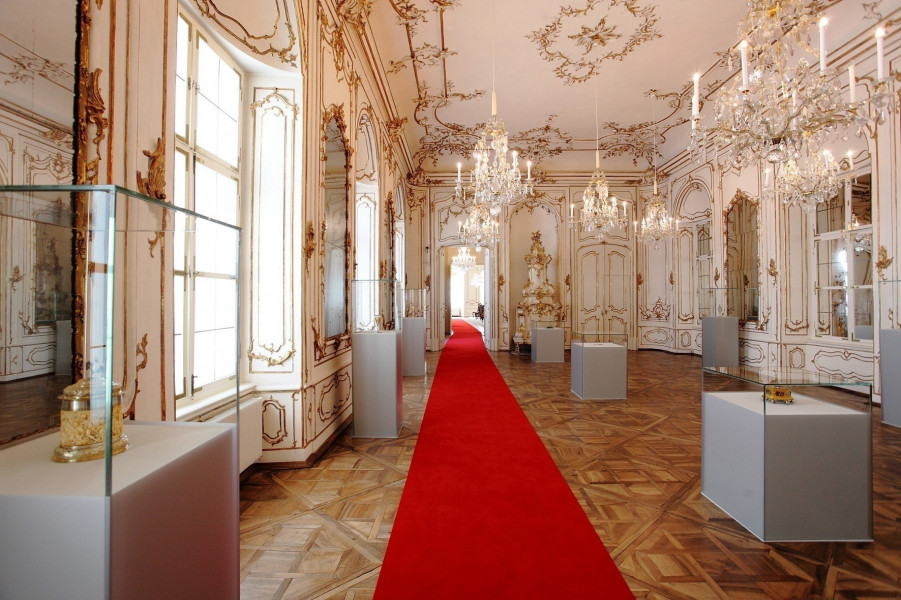
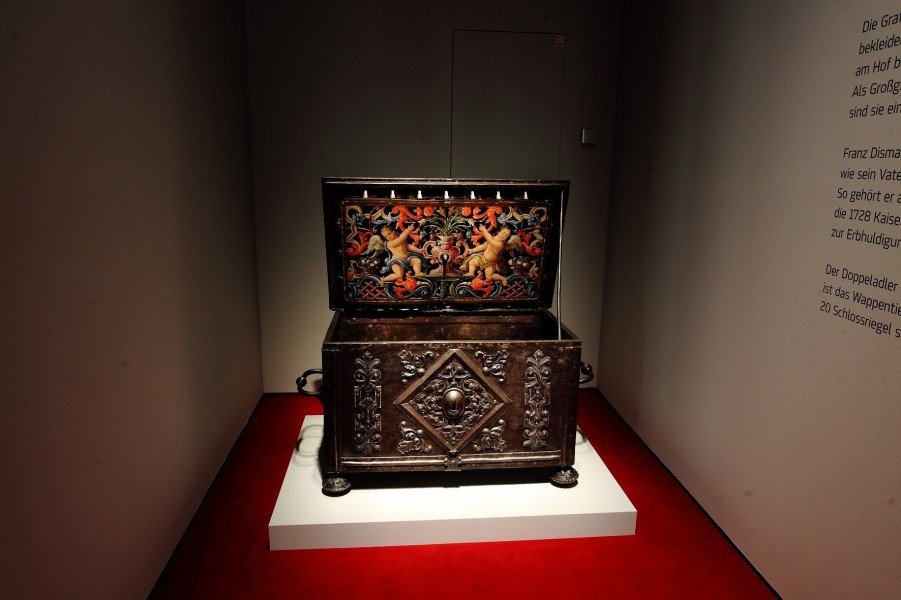
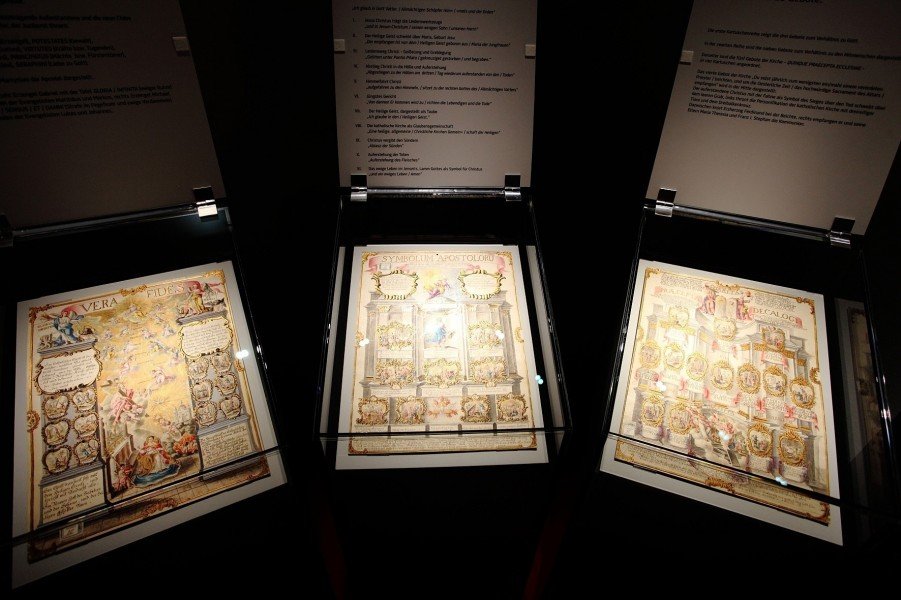
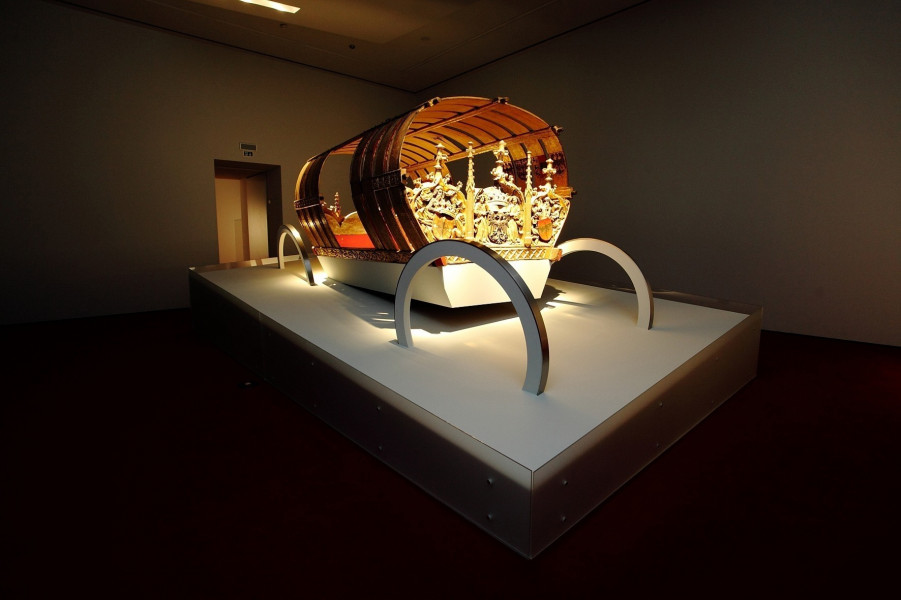
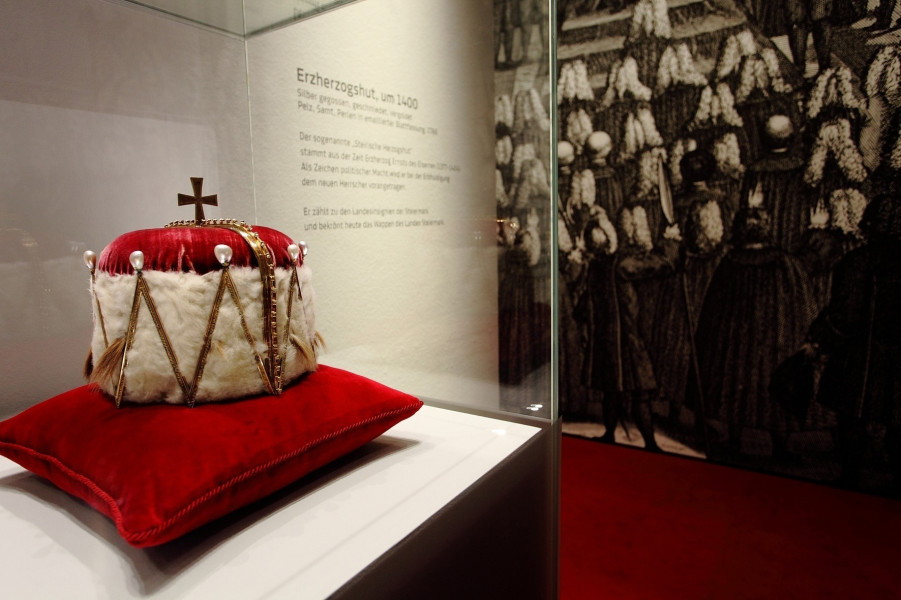
A highlight one shouldn't miss is the hall of mirrors, which was most probably modelled on Palace Schönbrunn. The cultural historical collection has some particular gems to offer, among which you'll find the Gothic carriage of Friedrich III. dating back to the year 1452. A traverse flute, which was built by Jean Hotteterre in 1680, is worth a look, too. Last but not least, a hat of an Austrian duke originating in the region of Steiermark in Austria, which was built around 1400, is not to be missed when visiting the museum. Generally, most of the exhibition samples are related to the city of Graz or the Steiermark region.
Special exhibitions
On ground floor, you'll find an exhibition showing contemporary arts and crafts. One of this year's special exhibitions is dedicated to the topic “shoes in the course of time”. Another special exhibition, “warehouse in the museum”, presents haberdashery (dry goods) artifacts from “Kurzwarenhandlung Kastner & Öhler”, which was founded in 1873. It used to be an important warehouse for the monarchy and a centre for culture of consumerism in Graz. Here, you'll be explained the differences and similarities between the museum and the warehouse.
Please bear in mind that the museum remains closed on Mondays and Tuesdays.
Historical Information
The Herberstein City Palace is one of the most significant architectural landmarks in Graz’s Old Town. It has been in the Herberstein family’s possession since 1565. In 1941, part of the palace became home to the Neue Galerie; since 2011, visitors have been able to admire the Cultural History Collection of the Universalmuseum Joanneum here.
The foundation for the Cultural History Collection of the Universalmuseum Joanneum was laid by an initiative of Karl Lacher. The sculptor was fascinated by the counter-movement to industrialization that emerged with the first World’s Fair in London in 1851. This led to the establishment of many arts and crafts museums throughout Europe. The collection in Graz was first shown to the public in 1895; at that time, it already contained 5,394 objects; today, there are around 35,000.
Interesting facts
- The day pass at Universal Museum Joanneum - Museum in the Palais is €11 making it one of the 3 cheapest tourist Attractions in Styria.
How to get there
By foot
You'll find the Museum in the Palais located just underneath the mountain the palace is built on. Within 20 minutes you'll reach the museum on foot if you walk from the main train station. Starting at the main train station, you get to the river Mur first crossing the Kepplerstraße and then Mühlgasse. Via the Mursteg you get to the Schlossbergplatz (square), when there, turn into the Sackstraße. This is where you'll find the palais.
By bicycle
By bicycle it will only take you appr. 8 minutes to get to the museum if you ride on the Kepplerstraße and along the Landkai (quay).
