

Description
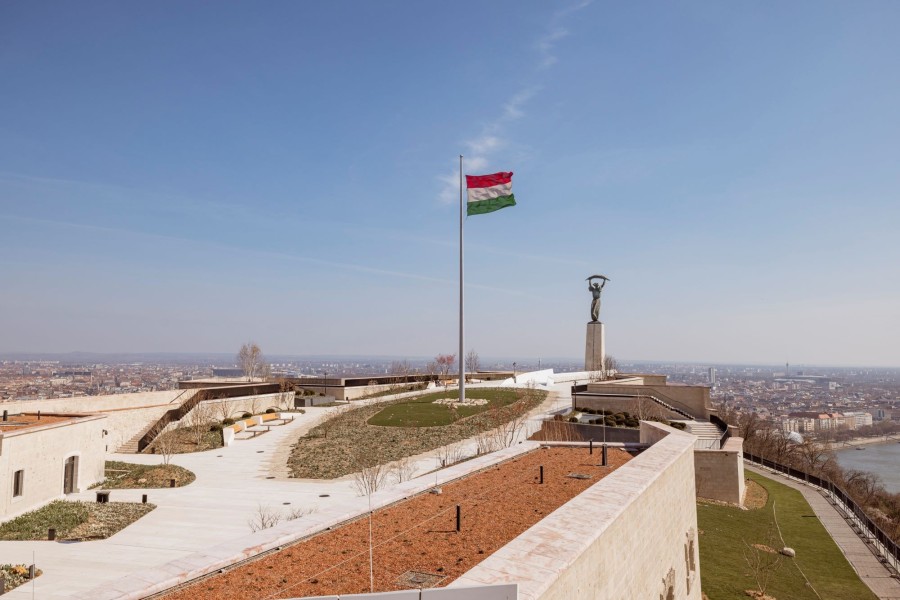
The Citadel on Budapest's Gellért Hill is one of the Hungarian capital's most iconic landmarks and part of the UNESCO World Heritage Site. Following several years of renovation, the former Habsburg fortress was reopened on 28 March 2026 as a publicly accessible viewpoint and cultural destination. From the top of the 235-metre-high Gellért Hill, a spectacular 360-degree panorama unfolds over the Danube, the Parliament building, the Chain Bridge and the city districts of Buda and Pest.
From a Symbol of Oppression to an Open Park
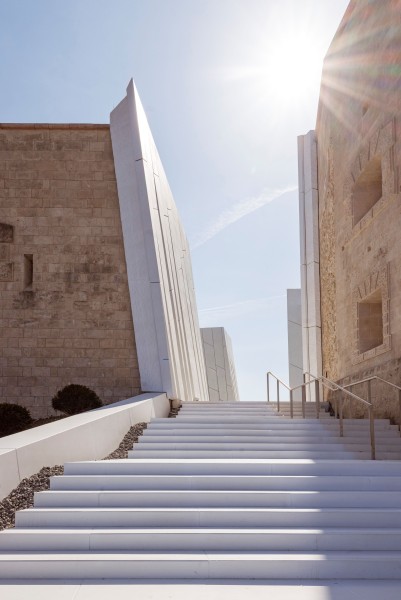
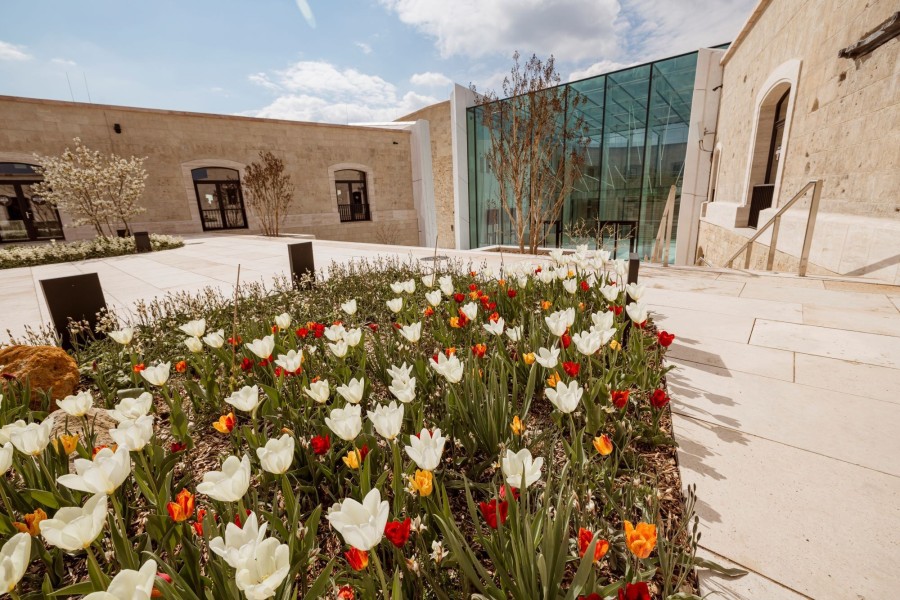
As part of the redesign, the formerly closed fortress walls were breached in two places to open the site from multiple sides. Green spaces were expanded to around 20,000 square metres, and a public park of over 6,000 square metres was created within the walls. New walkways lead through planted gardens with ornamental trees, roses, lavender and vines. The outdoor areas with panoramic terraces, an ice cream parlour, a café and a souvenir shop are accessible free of charge year-round.
"Bastion of Freedom" Exhibition
The centrepiece of the redesign is the interactive "Bastion of Freedom" exhibition, spanning over 1,700 square metres. It traces 13 centuries of Hungarian history — from the Magyar conquest through Ottoman and Habsburg rule, the 1848/49 revolution and the World Wars to the political transition. Narrated through the mythical figure of Emese, the story unfolds as a visually immersive journey. The exhibition requires a ticket and includes access to viewing terraces and a rooftop with panoramic views.
Liberty Statue and Modern Architecture
Right beside the Citadel stands the 14-metre-tall Liberty Statue, erected in 1947 and comprehensively restored during the renovation. Architecturally, the renewed complex strikes modern accents: a multi-layered glass construction at the entrance and a glass pedestrian bridge create a striking contrast to the historic fabric. In the courtyard, Hungary's largest national flag flies, and a water basin with an eternal flame commemorates the heroes of the country's freedom struggles. Lifts and barrier-free pathways provide access to all levels and terraces.
Historical Information
The Citadel was built between 1850 and 1854 to plans by Ferenc Kasselik and Emánuel Zita, after Austrian and Russian troops had crushed the Hungarian Revolution of 1848/49. The 220-metre-long and up to 60-metre-wide fortress, with four-metre-high walls and room for 60 cannons, was intended to control the city militarily and prevent future uprisings. The population always regarded it as a symbol of oppression.
After the Austro-Hungarian Compromise of 1867, the Citadel lost its military function. Parts of the fortress walls were symbolically dismantled from 1899. During the Second World War, it served as a bunker and anti-aircraft position. In 1947, the Liberty Statue was erected on Gellért Hill. In the 1960s, the Citadel was converted into a tourist venue but fell into increasing disrepair over the following decades and was closed to the public for over four years. As part of the National Hauszmann Programme, a comprehensive renovation began, culminating in the ceremonial reopening on 28 March 2026.
Interesting facts
- The day pass at Citadel in Budapest is HUF4,900 making it one of the 5 cheapest tourist Attractions in Hungary.
How to get there
By car
There are several parking spots at the base of the mountain.
By public transportation
There are several bus stops around the mountain.