


Description
Towering, rugged mountains, deep canyons, massive caves, and gigantic trees—in Sequoia National Park, visitors can experience the beauty, diversity, and, above all, the grandeur of nature up close. Located in California’s Sierra Nevada, Sequoia National Park covers an area of over 1,600 square kilometers. The park’s highest peak is Mt. Whitney, which, at 4,421 meters, is the tallest mountain in the United States outside of Alaska. It is situated on the eastern edge of the Sierra Nevada. Today, Sequoia National Park preserves a landscape that resembles that of the southern Sierra Nevada before Euro-American settlement. The park is open to visitors year-round, with the peak season running from early June through late September.
In the Land of Giants
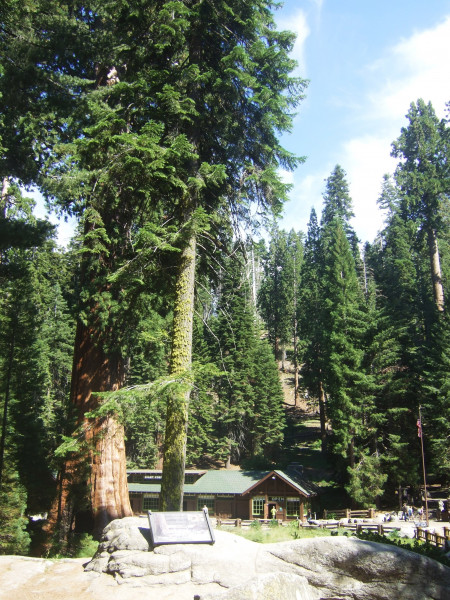
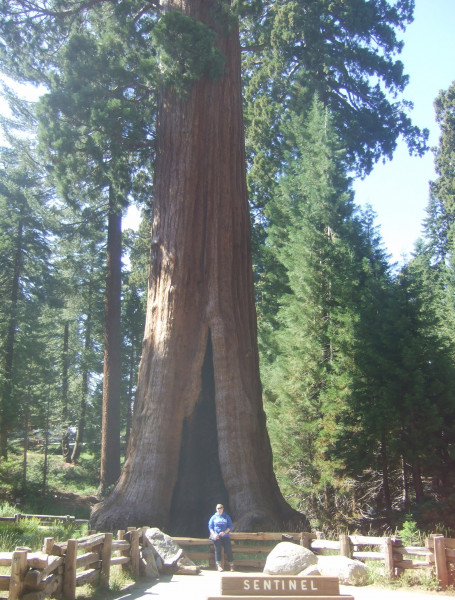
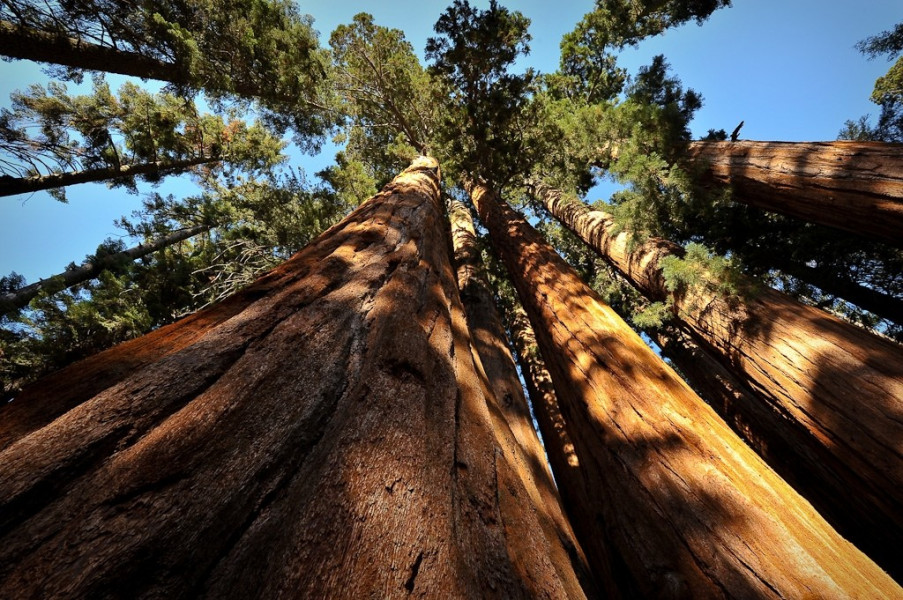
Sequoia National Park is known for its giant sequoias, which can reach heights of more than 80 meters and diameters of over 11 meters. You’ll find the largest specimens in the Giant Forest, home to the largest sequoia, the General Sherman Tree. You can hike among these gigantic trees—which are known for their extremely shallow root systems—and be captivated by their sheer size. Along the nature trails that wind through the national park, you can also learn interesting facts about the sequoias.
Highlights of the National Park
In addition to the impressive giant sequoias, there’s plenty more to marvel at in Sequoia National Park. You can climb Moro Rock—a 2,050-meter-high, dome-shaped granite monolith—via a staircase carved into the rock. From the top, you’ll enjoy a spectacular view of the surrounding area. Also worth seeing is Crystal Cave, a stalactite cave. The Tunnel Log is a tunnel cut into a fallen sequoia tree. The tree fell across the road in 1937 due to natural causes, and to make the road passable again, a tunnel was cut through the trunk. Just past the Marble Fork Bridge at the Lodgepole Campground, you can marvel at the Tokopah Falls. Here, the water plunges 370 meters over impressive granite cliffs. Of course, you should also visit the Giant Forest Museum—here you’ll learn all the important facts about the giant sequoias and the history of the national park.
Kings Canyon National Park in the Immediate Vicinity
Kings Canyon National Park borders Sequoia National Park directly. Together, the two national parks cover a total area of approximately 3,500 square kilometers. Kings Canyon National Park, which is characterized by a hotter and drier climate, was established about 50 years after Sequoia National Park. Since 1948, they have been managed as a single unit by the National Park Service.
Diverse Flora and Fauna
The great diversity of the landscape within the national park stems from the extreme topography and the convergence of various habitats and ecosystems. The area of Sequoia National Park ranges from just over 400 to more than 4,000 meters. The climate and vegetation range from subalpine to alpine. From the hot, dry lowlands in the western part of the park to the snow-capped peaks of the Sierra Nevada, you can discover plenty of unspoiled wilderness. Within the national park, you’ll also find over 200 caves, more than 1,200 different plant species, and a wide variety of animals, including black bears, mule deer, coyotes, foxes, marmots, raccoons, martens, and many more.
Activities in Sequoia National Park
The best way to explore the national park’s diverse natural landscape is by hiking and mountain climbing. About 2,000 kilometers of marked trails wind through the two national parks. Sequoia is also an excellent destination for extended horseback rides. If you’d like to enjoy some peace and quiet, you can go fishing. You can get information about the history of the national park, the local flora and fauna, and the various activities at the visitor center, located in Lodgepole. The park villages feature hotels, restaurants, and small grocery stores. You’ll also find various campgrounds with different amenities scattered throughout the park.
Historical Information

As early as the 9th century, the valleys of the park were inhabited by Shoshone tribes. The first encounter with white settlers took place in the early 19th century. A major turning point came in 1848 when gold was discovered in the Sierra Nevada. The indigenous tribes were displaced by gold prospectors, adventurers, and settlers. Even today, you can still find traces of the gold rush in Mineral King, a small gold-mining town in the southern part of the park. In 1881, the gold rush ended—as abruptly as it had begun.
The Discovery of the Sequoias
The sequoias were first mentioned in a book in 1839. Participants in an 1833 Sierra Nevada expedition spoke of “incredibly large” trees. The trees really came to public attention following a newspaper article published in 1852. Immediately, individual giant sequoias were felled to measure their dimensions. Despite the poor quality of the wood—which was quickly recognized—numerous giant sequoias were cut down. This was compounded by the destruction of the forests caused by extensive cattle ranching and slash-and-burn farming.
The Founding of the National Park
The founding of the national park is attributed to Hale Tharp and John Muir. They sought to protect the heavily exploited natural environment. In 1858, Tharp—a cattle rancher and gold prospector—made his way to the section of the forest known as the Giant Forest, where he lived for some time. There, in 1875, he was visited by the naturalist and conservationist John Muir, who became one of the main initiators of the Sequoia National Park project. In 1890, Sequoia National Park was finally officially established. The original area was even tripled shortly thereafter on the initiative of Gustaf Eisen.
Interesting facts
- Sequoia National Park is among the 10 best rated Tourist Attractions in the USA.
How to get there
By car:
Sequoia National Park is located about 320 km north of Los Angeles and about 320 km southeast of San Francisco. From there, it takes about four hours by car to reach the entrance to Sequoia, which is located about 55 kilometers east of Visalia. You can take Highway 198 from Visalia through Three Rivers to the national park. Once inside the park boundaries, the highway becomes General’s Highway, which connects both parks.