

Description
A Fortress Above the Rooftops of the City
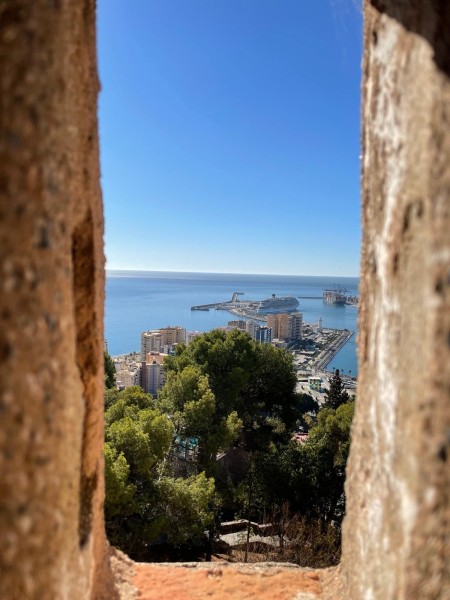
Perched high above Málaga, the Castillo de Gibralfaro rises on the hill of the same name and continues to shape the city’s skyline to this day. Sitting at 135 meters above sea level, the fortress offers sweeping views over the historic old town, the harbor, and the coastline of the Costa del Sol. Its elevated position makes it immediately clear why this site held such strategic importance for centuries.
The fortress is closely linked to the Alcazaba below. Together, the two structures form a unified system, connected by a fortified wall. This layout highlights how carefully the city’s defenses were planned and how closely military architecture was adapted to the surrounding landscape.
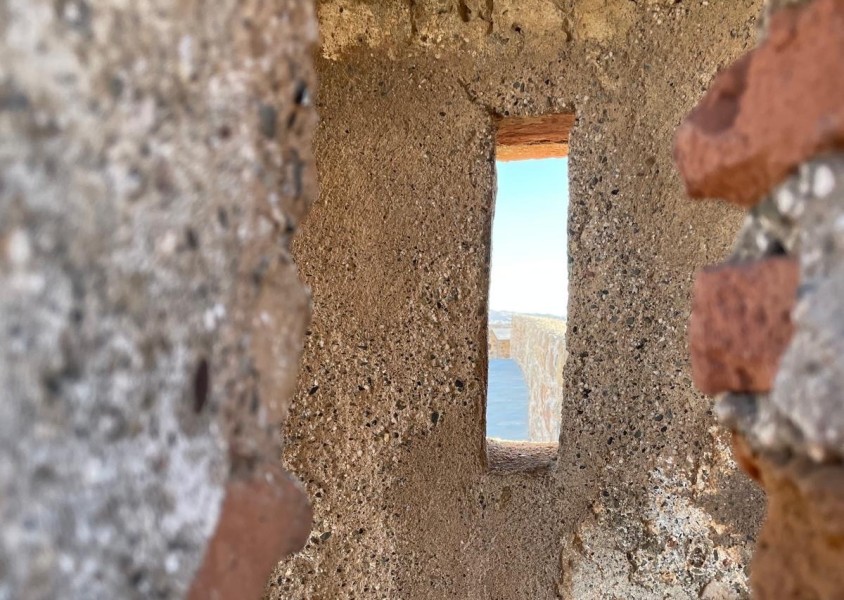
As you walk along the massive walls, new perspectives over Málaga constantly open up. At the same time, many remnants of its military past are still visible within the complex, including towers and inner sections that offer insight into the fortress’s original function.
Between the Alcazaba and the Ridge: The Fortress’s Role in the City Layout
Castillo de Gibralfaro holds a key position within Málaga’s historic layout. From its ridge-top location, it was possible to monitor both the inland areas and access routes from the sea, making it a crucial part of the city’s defense strategy.
Today, the fortress is not only a historical monument but also a scenic viewpoint where you can clearly trace the city’s development over time. The combination of military history and its striking natural setting makes a visit a truly layered experience.
Our Take: If you can, hike up along the historic paths leading to the fortress. The ever-changing views along the way not only make the climb worthwhile but also give you a much better sense of how the two fortifications were strategically connected.
Historical Information
From Strategic Lookout to Royal Fortress
The origins of Castillo de Gibralfaro go back a long way, as the hill was already used early on as a strategic lookout point. During the period of Islamic rule in Al-Andalus, the site was developed into a fortified structure, with significant expansion carried out under Abd ar-Rahman III.
In the 14th century, Yusuf I of Granada further reinforced the fortress to strengthen its defensive capabilities and better protect the Alcazaba. Much of the structure visible today dates back to this period.
In 1487, after a prolonged siege, the fortress was captured by the Catholic Monarchs and incorporated into Christian territory, marking a key moment in the region’s history.
In the centuries that followed, Castillo de Gibralfaro gradually lost its military importance. However, it has been preserved as a historical monument and today offers valuable insight into its former function and strategic role within the city.
Interesting facts
- The day pass at Gibralfaro Castle in Málaga is €7 making it one of the 10 cheapest tourist Attractions in Spain.
How to get there
By Car: You can drive up through Málaga toward Monte Gibralfaro. Limited parking is available near the entrance.
By Public Transport: You can travel to Málaga’s city center and then take a bus toward Gibralfaro or continue the journey on foot.
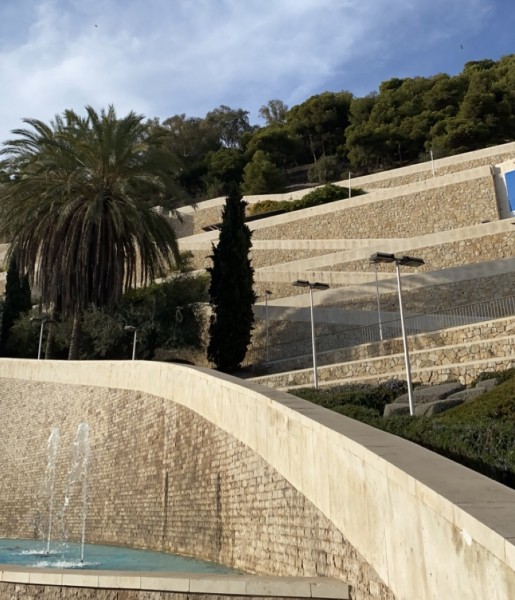
On Foot: The most scenic option is to walk up from the old town via the Alcazaba. The route is steep and takes about 20 to 30 minutes, but it rewards you with several viewpoints along the way.