

Description
The Cathedral That Was Never Finished
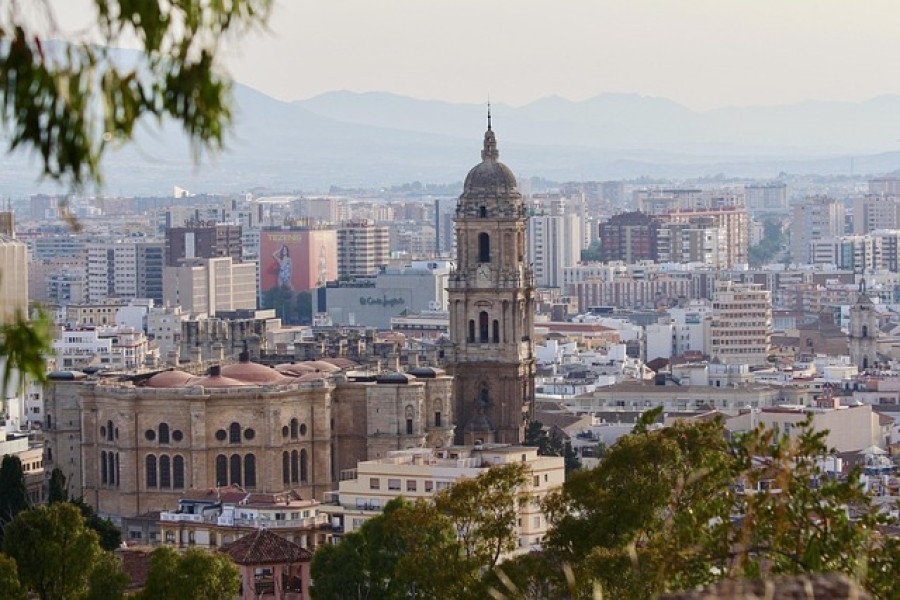
The Catedral de Málaga, officially the Santa Iglesia Catedral Basílica de la Encarnación, is one of the most important historic landmarks in the Andalusian city of Málaga. Situated in the heart of the old town, it stands as one of the finest examples of Renaissance architecture in Spain. Construction began after the Christian conquest of the city in 1487, on the site of the former main mosque, and over the course of several centuries it grew into a monumental church shaped by a variety of architectural influences.
The sheer scale alone is impressive: 117 metres long, 72 metres wide, and 87 metres tall. Until 2012, it was the second tallest building in Andalusia, surpassed only by the Giralda in Seville.
A Renaissance Build with Baroque Grandeur
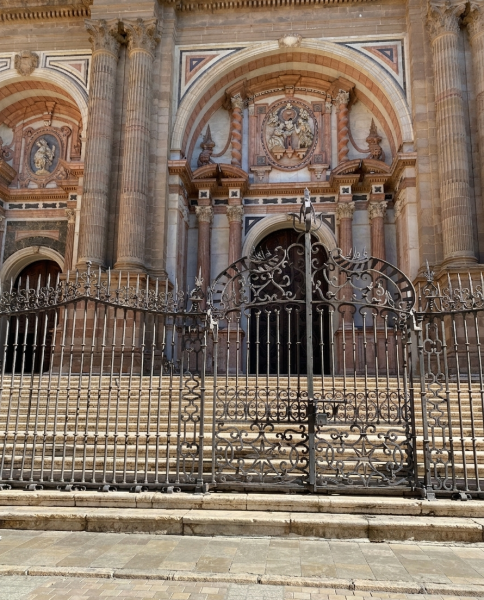
The cathedral brings together several architectural styles. While the original concept was still heavily rooted in Gothic ideas, the majority of the building was constructed during the Renaissance period. Baroque elements were added later, most visibly on the façade. Particularly striking is the richly ornamented main façade, conceived as a baroque composition that emphasises the building's grand, representative character.
The interior is equally impressive. The cathedral has a Latin cross floor plan and features three naves of equal height, rising to 41.79 metres. The interior's architectural structure is defined by Corinthian pilasters, an articulated entablature, and a carefully considered lighting system created by rounded arches, windows, and oculi.
Our tip: anyone visiting the cathedral should take their time and explore the interior from different angles. The way light falls through the high-set windows and oculi is particularly captivating, the atmosphere shifts noticeably depending on the time of day.
Historical Information
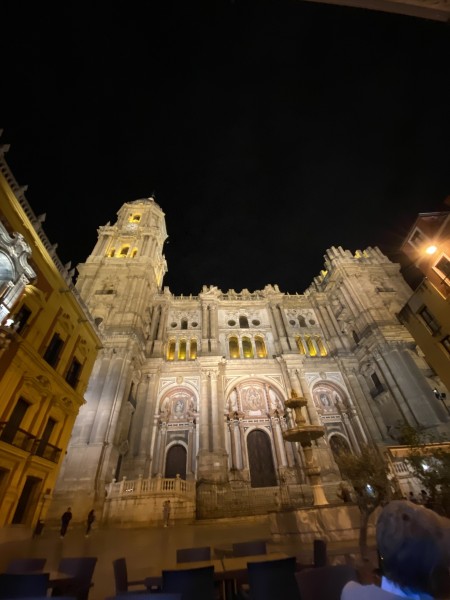
Catedral de Málaga: A Construction Spanning Several Centuries
The history of the Catedral de Málaga begins with the capture of the city by the Catholic Monarchs in 1487. Following the Christian reconquest, the city's former main mosque was converted into a cathedral and dedicated to the Incarnation of Christ.
The construction of the cathedral as it stands today unfolded over several centuries. Among its most important architects was Diego de Siloé, who was involved in the early designs of the building. The first phase of construction produced the choir area as well as the massive pillars and column structures of the interior.
Progress slowed considerably during the 17th century. It wasn't until the 18th century that significant advances were made, eventually allowing the cathedral to open for worship in its current form in 1768. Even so, the original building project was never fully completed, most notably, the second tower and several other architectural elements were left unfinished.
The One-Armed Bandit
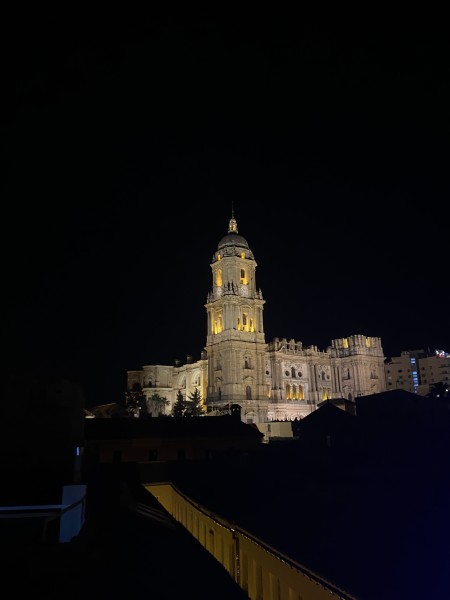
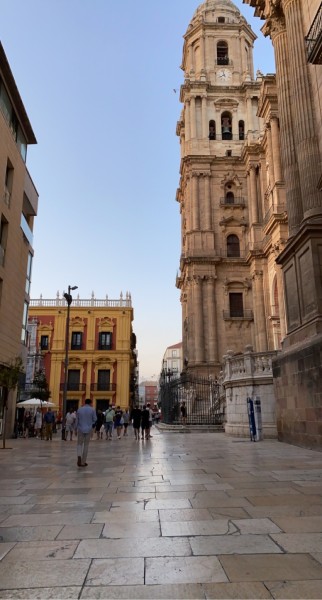
One of the cathedral's most distinctive features is its north tower, which reaches a height of 87 metres. Since only the north tower was ever completed, while the second tower remains unfinished to this day, the cathedral has earned the nickname "La Manquita", roughly translated as "the one-armed lady." This quirky, asymmetrical silhouette has defined the cathedral's appearance ever since.
Interesting facts
- The day pass at Málaga Cathedral is €10 making it one of the 10 cheapest tourist Attractions in Spain.
How to get there
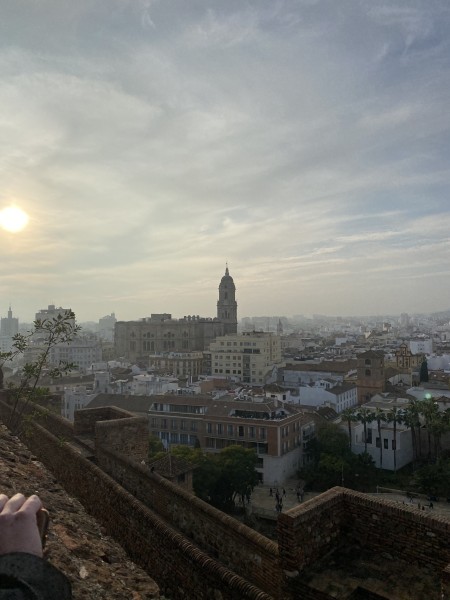
By car: The cathedral is located in the historic centre of Málaga. The address is Calle Molina Lario 9. Parking is available in multi-storey car parks throughout the city centre.
By public transport: Málaga's city centre is well connected by both train and bus. From the central stops, the cathedral is just a few minutes' walk away.
On foot: Thanks to its position in the heart of the old town, the cathedral is a central landmark and easy to include in any walking tour of the city.