
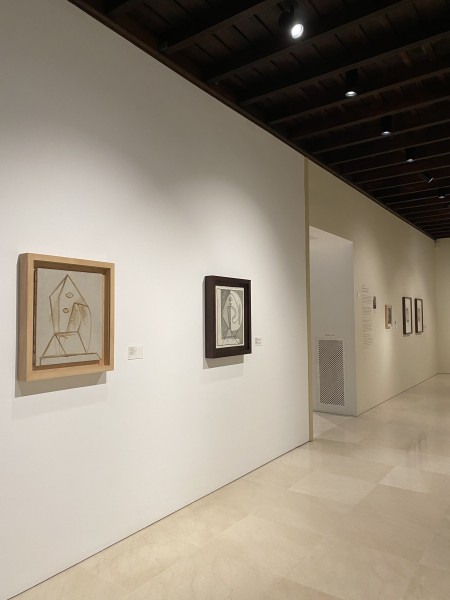

Description
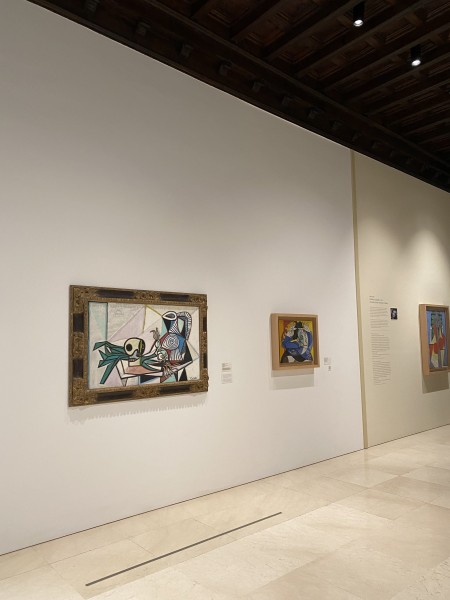
Art Museum in Picasso’s Birthplace
The city of Málaga is the birthplace of Pablo Picasso (1881–1973), one of the most influential artists of modern art. Located in the historic old town of this Mediterranean city, the Museo Picasso Málaga is dedicated entirely to his work. The museum was founded to give visitors a deeper understanding of Picasso’s artistic development and to highlight the significance of his work for 20th-century art.
The Many Facets of Picasso: From Paintings to Ceramics
The museum’s collection spans nearly eight decades of Picasso’s creative output. In total, it includes almost 400 works, ranging from paintings and drawings to prints, sculptures, and ceramics. The core of the collection comes from a donation of 233 works by Christine Ruiz-Picasso and Bernard Ruiz-Picasso, the artist’s daughter-in-law and grandson. It is further complemented by numerous loans from the Fundación Almine y Bernard Ruiz-Picasso.
A key highlight of the museum’s program is the exhibition “Pablo Picasso: Structures of Invention – The Unity of a Life’s Work,” running from 2024 to 2028. It brings together works from different phases of Picasso’s career between 1895 and 1972, exploring themes such as family, the myth of the Minotaur, bullfighting, and eroticism. In addition, the museum regularly hosts temporary exhibitions and cultural events.
Beyond the art itself, the museum also offers a range of visitor amenities. A café in the courtyard invites guests to relax in a historic setting, while the museum shop features books, posters, and publications about Picasso, along with a variety of souvenirs.
Our Take: If your schedule is flexible, try to plan your visit for a Sunday. The Museo Picasso Málaga offers free admission during the last two hours before closing every Sunday.
Historical Information
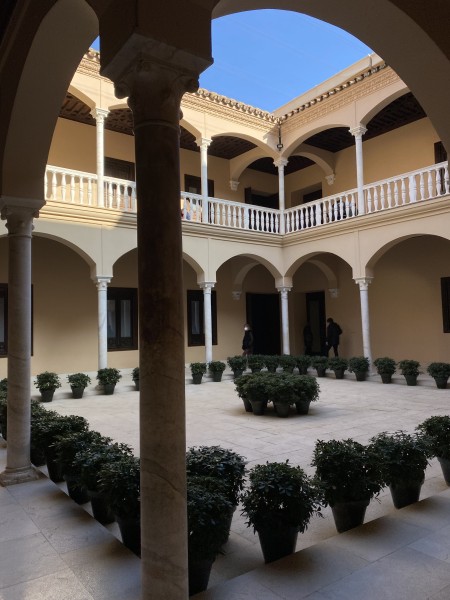
The idea of creating a museum in Picasso’s hometown had been pursued for many years. A key milestone came in 1997, when the Andalusian regional government acquired the Palacio de Buenavista as the future site of the museum.
The museum officially opened on October 27, 2003, in the presence of King Juan Carlos I and Queen Sofía of Spain. Its founding also fulfilled one of Picasso’s own wishes, to have his work exhibited in the city where he was born.
Since then, the Museo Picasso Málaga has grown into one of the city’s leading cultural institutions. It attracts more than 600,000 visitors each year, underlining its international significance. A record year was 2024, when the museum welcomed nearly 800,000 visitors, the highest number to date.
A Historic Renaissance Palace as the Museum’s Setting
The museum is housed in the Palacio de Buenavista, a historic 16th-century building. The palace combines elements of Renaissance architecture with influences of the Mudéjar style, creating a striking architectural backdrop for the collection. Notably, the building stands on the remains of a former Nasrid palace, meaning multiple layers of history are embedded within its structure.
Interesting facts
- The day pass at Picasso Museum Málaga is €13 making it one of the 5 cheapest tourist Attractions in Andalusia.
How to get there
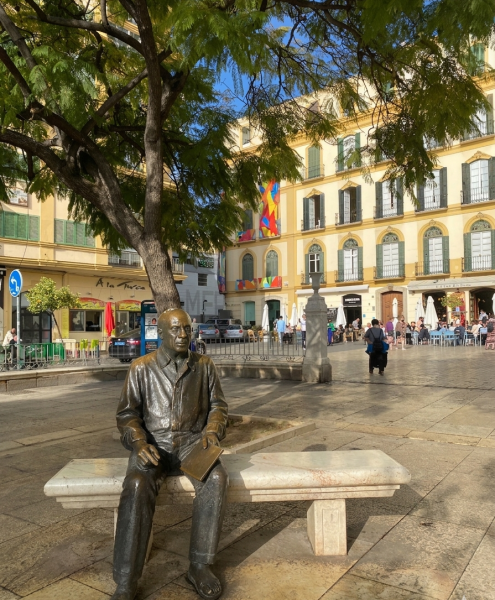
On Foot: The Museo Picasso Málaga is located right in the heart of the old town and is best reached on foot. Many of the city’s top attractions are just a few minutes away, making it easy to combine a museum visit with a walk through the historic center.
By Car: The museum is situated in the old town, where traffic is partially restricted. Parking is available in nearby parking garages and public parking areas in the city center.
By Public Transport: Málaga is well connected to the regional train and bus network. From central stations and stops, the museum can be easily reached on foot.
The building is very centrally located, just a short walk from several of Málaga’s key sights. Málaga Cathedral is about 200 meters away, the popular shopping street Calle Larios is roughly 400 meters away, and the Alcazaba fortress can be reached in about 300 meters.